Adding a new skincare product to your routine can sometimes be confusing. You may know that Vitamin C is good for your skin, but you may still wonder when to use it, how much to apply, and what products should come after it.
Should Vitamin C serum be used in the morning or at night?
Do you apply it before or after moisturizer?
Can you use it every day?
In most cases, the basic order is:
Cleanser → Vitamin C Serum → Moisturizer → Sunscreen
Let's go through it step by step.
What Is Vitamin C Serum?
Vitamin C is an antioxidant that is commonly used in skincare products. It can help protect the skin from everyday environmental stress and support a brighter and more even-looking complexion.
A serum is different from a face wash because you leave it on your skin instead of washing it off. This makes serums a popular way to add ingredients such as Vitamin C to your daily skincare routine.
Vitamin C serum is especially common in morning routines because it can be used alongside sunscreen.
What Does Vitamin C Serum Do?
Our skin is exposed to many things every day, including sunlight and environmental pollution. Over time, this can make the skin look dull or uneven.
A well-formulated Vitamin C serum may help improve the appearance of:
- Dull-looking skin
- Uneven skin tone
- Dark spots
- Tired-looking skin
- Skin that looks less radiant
Some Vitamin C serums also contain ingredients such as hyaluronic acid, which can help provide hydration.
Keep in mind that skincare results usually take time. Using a product regularly is more useful than applying a lot of it once in a while.
Want to learn more about Vitamin C? Read our guide to Vitamin C Face Serum 101.
How to Use Vitamin C Serum: Step by Step

Using Vitamin C serum is quite simple. You don't need a long skincare routine.
Step 1: Clean Your Face
Start with a gentle cleanser to remove dirt, sweat, excess oil, and other buildup from your skin.
After washing your face, gently pat it dry with a clean towel. Avoid rubbing your skin too hard, especially if your skin is sensitive.
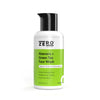
If you are looking for a cleanser to use in your routine, you can also try the ZERO THE START Vitamin C Face Wash, which contains Vitamin C, ceramides, and hyaluronic acid.
Explore ZERO THE START Vitamin C Face Wash
Step 2: Apply Vitamin C Serum
After cleansing, apply your Vitamin C serum.
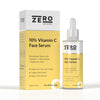
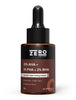
For the ZERO THE START 10% Vitamin C Face Serum, 2–3 drops are recommended for the face and neck.
Place the serum on your skin and spread it gently with your fingertips. You don't need to apply a thick layer.
Give it a little time to settle before moving on to the next step.
More serum does not necessarily mean better results. A small amount that spreads evenly is usually enough.
Step 3: Apply Moisturizer
Once the serum has settled, apply your moisturizer.
Moisturizer helps keep your skin hydrated and supports the skin's moisture barrier. This step can be especially helpful if your skin feels dry or tight after cleansing.
If you are wondering whether Vitamin C serum goes before or after moisturizer, remember this:
Step 4: Apply Sunscreen in the Morning
If you are using Vitamin C serum during the day, finish your routine with sunscreen.
Use a broad-spectrum sunscreen that suits your skin and apply it before going outside.
Vitamin C serum does not replace sunscreen. They have different roles in your skincare routine.
Your morning routine can simply be:
Cleanser → Vitamin C Serum → Moisturizer → Sunscreen
That's it.
Should You Use Vitamin C Serum Before or After Moisturizer?
Vitamin C serum is generally applied before moisturizer.
Serums are usually lighter than moisturizers, so they are normally applied earlier in your routine. Moisturizer comes afterward.
A simple way to remember the order is:
Clean → Treat → Moisturize → Protect
This isn't a complicated rule. Once you follow the same order for a few days, it becomes a habit.
Should Vitamin C Serum Go Before or After Sunscreen?
Vitamin C serum should go before sunscreen.
If you're using it in the morning, the order should be:
- Cleanser
- Vitamin C serum
- Moisturizer
- Sunscreen
Sunscreen should be the final step of your morning skincare routine.
Again, Vitamin C and sunscreen are not replacements for each other. Vitamin C can be one part of your routine, while sunscreen provides daily protection from UV exposure.
Should You Use Vitamin C Serum in the Morning or at Night?
Vitamin C serum can be used in the morning or at night, depending on the product and how your skin responds to it.
Many people prefer using Vitamin C in the morning because antioxidants can fit well into a daytime skincare routine.
If you use it in the morning, make sure you follow it with sunscreen. You can also use Vitamin C at night if that works better for your routine.
The most important thing is to use the product consistently and follow the instructions for the serum you're using.
Can You Use Vitamin C Serum Every Day?
Many people can use Vitamin C serum every day, but it depends on the formula and your skin.
Try using it a few times a week at first. If your skin feels comfortable, you can gradually increase how often you use it.
If you notice ongoing redness, burning, itching, or irritation, stop using the product and give your skin a break.
Skincare should not feel like a challenge for your skin.
How Many Drops of Vitamin C Serum Should You Use?
You don't need a lot of serum.
For the ZERO THE START 10% Vitamin C Face Serum, 2–3 drops are recommended for the face and neck.
The exact amount can vary between products, so it's always a good idea to check the directions on your particular serum.
The goal is to spread a thin, even layer over your skin. Applying a large amount won't automatically make the serum work better.
Can You Use Vitamin C With Niacinamide?
Yes. Vitamin C and niacinamide can be used together.
There was a time when people often said these two ingredients should not be combined. Modern skincare products, however, commonly use them together.
In fact, the ZERO THE START 10% Vitamin C Face Serum contains Vitamin C, niacinamide, and hyaluronic acid.
For example, if your routine already contains exfoliating acids, retinoids, or other strong active ingredients, adding several new products at once may increase the chance of irritation.
If you're starting a new routine, keeping things simple can make it easier to understand what works for your skin.
Can You Use Vitamin C With Sunscreen?
Yes. Vitamin C serum and sunscreen can be used together in the same morning routine.
Apply your Vitamin C serum first, followed by moisturizer if you use one, and then sunscreen.
A simple morning routine looks like this:
Cleanser → Vitamin C Serum → Moisturizer → Sunscreen
Vitamin C is not a replacement for sunscreen, so don't skip your sunscreen just because you are using a Vitamin C serum.
Should Vitamin C Serum Be Applied to Wet or Dry Skin?
It is generally easiest to apply Vitamin C serum after cleansing and gently drying your face.
Your skin doesn't need to be completely dry unless the instructions for your specific product say otherwise.
After washing your face, pat it gently with a clean towel and then apply your serum.
If your skin is sensitive, following the directions on the product is especially important.
How Long Does Vitamin C Serum Take to Work?
There is no exact number of days that works for everyone.
Some people may notice that their skin looks fresher or more hydrated fairly quickly. Changes in the appearance of dark spots and uneven skin tone usually take longer and depend on several factors.
Your skin type, the Vitamin C formula you're using, sun exposure, and the rest of your skincare routine can all make a difference.
Give your routine some time and focus on using your products consistently.
Is 10% Vitamin C Good for Beginners?
A 10% Vitamin C serum can be a reasonable starting point for many people.
However, strength is not the only thing that matters. The type of Vitamin C, the rest of the formula, and your own skin tolerance are also important.
If you're new to Vitamin C, start slowly if you're unsure how your skin will react.
For example, you can begin with a few applications per week and increase the frequency if your skin is comfortable.
Always follow the instructions provided with your particular product.
Who Can Use Vitamin C Serum?
Vitamin C serum can be useful for people who want to improve the appearance of dullness, uneven-looking skin tone, or dark spots.
However, everyone's skin is different. A product that works well for one person may not feel the same on another person's skin.
If you're trying a new active ingredient, introduce it slowly, especially if you have sensitive skin.
If you experience persistent irritation, stop using the product and consider speaking with a dermatologist.
A Simple Vitamin C Routine for Beginners
If you're new to skincare, you don't need a bathroom shelf full of products.
Start with the basics.
Morning
1. Cleanser
Wash your face and remove dirt, oil, and buildup.
2. Vitamin C serum
Apply 2–3 drops to your face and neck if you're using the ZERO THE START 10% Vitamin C Face Serum.
3. Moisturizer
Apply a moisturizer that suits your skin.
4. Sunscreen
Finish with a broad-spectrum sunscreen.
That's a simple routine you can follow every day.
Once you are comfortable with these basic steps, you can decide whether your skin actually needs anything else.
Why Choose ZERO THE START 10% Vitamin C Face Serum?
At ZERO THE START, we believe skincare should be easy to understand and easy to use.
The formula is designed for people looking to care for skin that appears:
- Dull
- Uneven in tone
- Marked by the appearance of dark spots
- Dehydrated
Its lightweight texture also makes it easy to add to a daily skincare routine.
Shop ZERO THE START 10% Vitamin C Face Serum
Your Vitamin C Routine at a Glance
| Step | Product | When to Use |
|---|---|---|
| 1 | Cleanser | Morning / Night |
| 2 | Vitamin C Serum | Morning / Night |
| 3 | Moisturizer | Morning / Night |
| 4 | Sunscreen | Morning |
The main thing to remember is: Vitamin C serum comes before moisturizer and sunscreen.
Frequently Asked Questions
Can I use Vitamin C serum every day?
Yes, many people can use Vitamin C serum daily if their skin tolerates it well. If you're new to Vitamin C, start a few times a week and increase gradually if your skin feels comfortable.
Should I apply Vitamin C serum to wet or dry skin?
It is generally best to apply it after cleansing and gently drying your face. However, always follow the instructions for your specific product.
Can I use Vitamin C serum at night?
Yes. Vitamin C serum can be used at night as well as in the morning. Choose the time that fits your routine and the instructions for your product.
Can I use Vitamin C serum with niacinamide?
Yes. Vitamin C and niacinamide can be used together. Some skincare products, including the ZERO THE START Vitamin C serum, contain both ingredients.
Can I use Vitamin C serum with sunscreen?
Yes. They can be used together in your morning routine. Apply Vitamin C serum first, then moisturizer if needed, and sunscreen last.
How many drops of Vitamin C serum should I use?
For the ZERO THE START 10% Vitamin C Face Serum, 2–3 drops are recommended for the face and neck.
Can beginners use a 10% Vitamin C serum?
A 10% Vitamin C serum can be suitable for many beginners. If you're new to Vitamin C, start slowly and see how your skin responds.
Final Thoughts
Using Vitamin C serum doesn't have to be complicated. Start by cleansing your face. Apply your Vitamin C serum, followed by moisturizer. If you're doing your routine in the morning, finish with sunscreen.
You don't need to use lots of products to take care of your skin. Start with a few products that make sense for your skin and give them time to work.
Most importantly, pay attention to how your skin feels. If a product causes ongoing irritation, don't force yourself to keep using it.
For those who want to add Vitamin C to their routine, the ZERO THE START 10% Vitamin C Face Serum is one option to consider. It combines Vitamin C, niacinamide, and hyaluronic acid in one lightweight formula.
Good skincare isn't about doing everything at once. It's about finding a routine you can understand, follow, and stick with.
Understand your skin. Keep your routine simple. Be consistent.